
Houses For Sale In Vratsa Region
-
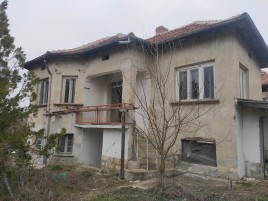
Vratsa
€7400- 3 Bedrooms
- 150 m2
- 1450 m2
CHEAP Bulgarian house 40 km from Vratsa very peaceful area
-
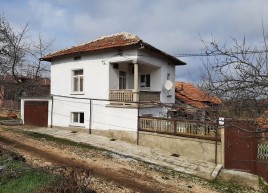
Vratsa
€22500- 2 Bedrooms
- 139 m2
- 680 m2
House in Bulgaria Vratsa region close to forest lake and fields
-
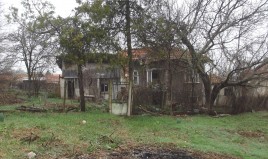
Vratsa
€9900- 2 Bedrooms
- 98 m2
- 600 m2
Cheap house 20km to Vratsa close to river, hills and fields
-
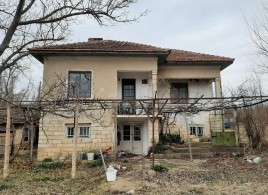
Vratsa
€10900- 3 Bedrooms
- 144 m2
- 1414 m2
Village house 30 km from Vratsa with nice views near river
-
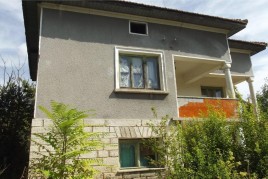
Vratsa
SOLD €7800- 3 Bedrooms
- 136 m2
- 3250 m2
Bulgarian property with vast garden - 3250sq.m land Vratsa area
SOLD
-
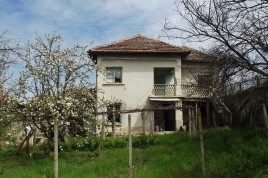
Vratsa
RESERVED €11900- 2 Bedrooms
- 120 m2
- 2000 m2
Bulgarian house in a few minutes to Danube river, Vratsa region
RESERVED
-
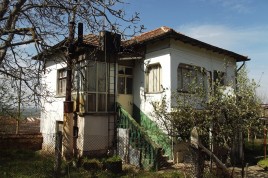
Vratsa
SOLD €10800- 4 Bedrooms
- 120 m2
- 2500 m2
House with big plot and distant views of the Danube river
SOLD
-
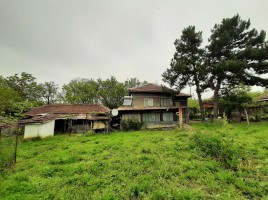
Vratsa
€17500- 3 Bedrooms
- 168 m2
- 950 m2
House near forest, lake and hills not far from Vratsa , Bulgaria
-
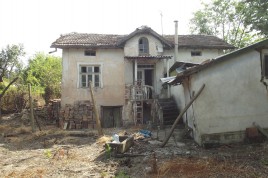
Vratsa
€6800- 2 Bedrooms
- 90 m2
- 1700 m2
BARGAIN Cheap Rural Bulgarian property 25 km from Vratsa
-
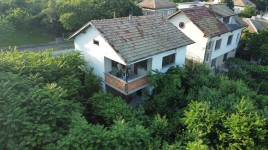
Vratsa
€17500- 2 Bedrooms
- 195 m2
- 1975 m2
Bulgarian house withy nice views 100km to Sofia, Vratsa region
-
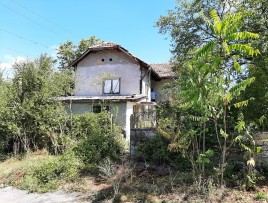
Vratsa
SOLD €8200- 3 Bedrooms
- 140 m2
- 3720 m2
Cheap Bulgarian house for sale 100 km from Sofia , Vratsa region
SOLD
-
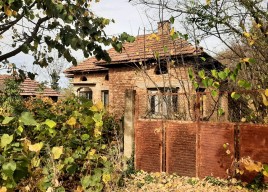
Vratsa
€7800- 2 Bedrooms
- 120 m2
- 2250 m2
Cheap Bulgarian property near river, 20km from Danube, Vratsa
Search Properties

Real Estate News
-
01.03.2024
HAPPY BABA MARTA - HOW Bulgaria CELABRATE THAT DAY

MARTENITSA The Bulgarian wish for good Health, Strength and Happiness The Martenitsa, given as an amulet in the period of spring, when nature gets “reborn” and starts blossoming again it was not only a reminder of that balance but...
-
01.03.2021
HAPPY BABA MARTA DAY – BULGARIA

MARTENITSA The Bulgarian wish for good Health, Strength and Happiness The Martenitsa, given as an amulet in the period of spring, when nature gets “reborn” and starts blossoming again it was not only a reminder of that balance but...
-
12.11.2019
KINGS VALLEY -SPA AND BALENOLOGICAL COMPLEX near Kazanlak

The best 5 stars Luxury SPA and balneological complex will be built on the territory of Kazanlak municipality, Stara Zagora region. The building construction is in progress and is expecting the project to be ready till the end of 2020...
-
12.03.2018
Sunny Beach ranks 6th among the most affordable destinations for buying properties in Bulgaria from Americans

According of a National Association of Realtors, Sunny beach is ranked 6th in the world for the ten most affordable beach resorts to buy property from American citizens. For compiling the ranking, the association has excluded countries...
-
10.03.2018
From 59 countries, Bulgaria is ranks 9th in the real estate markets in the world with rising prices of the properties

Compared to the global growth of house prices, this one in Bulgaria is twice faster on an annual basis, show data of consulting company which used the data for Bulgaria of the Eurostat European Statistical Office for the 3rd quarter of...
-
09.02.2018
Numerous tourists visited Bulgaria during the past year

Comparing with the previous years in 2017 , Bulgaria was visited from record number of tourists. Every month of the year foreigners, visitors from all around the world arrived in Bulgaria for relaxation and recreation. Most of the places...
-
27.03.2017
Annual company accounts and tax returns for Bulgarian Ltd

Once you have established a Bulgarian company, you have to do an annual company tax reports and declaration. Everybody who set up a company for the purpose to buy real estate in Bulgaria ( house, land, apartments, etc) have to declare...
Dealt with Kunka who was amazing throughout, extremely helpful and guided me through the whole process, I am now the owner of a lovely apartment.. Thank you to all the team at Bulgarian House..
— Paul Howard, UK